Every slot player has heard the term RTP thrown around. "This game has a 96% return," someone says, as if that settled the matter. Here's the uncomfortable truth: most players, including plenty who've been spinning for a decade, fundamentally misunderstand what RTP actually means for their session. It's not a guarantee. It's not a promise. And treating it like one is how bankrolls die quiet, boring deaths.
Let's pull the curtain back on the numbers that genuinely matter when you sit down at a machine, virtual or otherwise.
RTP Is a Long-Run Average, Not a Session Forecast
Return to Player is calculated over millions upon millions of spins. A 96% RTP slot means that if you fed it an essentially infinite amount of money across an essentially infinite timeline, the machine would return 96 cents for every dollar wagered. That's it. That's the whole definition.
Now zoom in to your Tuesday night session with a $200 bankroll. RTP tells you absolutely nothing about what's about to happen. You might double up. You might lose everything in forty minutes. Variance is the rule, not a bug, and the gap between what RTP promises statistically and what you experience in two hours is where real money gets separated from real expectations.
Think of it like a casino with 10,000 players. On average the house keeps 4%. But that 4% is the aggregate. Some of those players are walking out with a car. Some are walking out with nothing. You don't know which one you are until you stop. If you want to dig deeper, เว็บสล็อต is worth a look.
Why Volatility Matters More Than RTP for Your Bankroll
If you only look at RTP when choosing a slot, you're reading half the story. Volatility (sometimes called variance) determines how RTP gets distributed across spins, and it affects your survival time dramatically.
- Low volatility: Frequent small wins, gentler swings. RTP feels steady. Great for stretching playtime, weak for chasing a big multiplier.
- Medium volatility: The balanced middle. Reasonable session length, occasional meaningful hits.
- High volatility: Long dry spells punctuated by rare, massive payouts. RTP might be 96.5%, but you could burn through 300 spins before anything over your bet size lands.
Two slots with identical 96% RTP can feel like completely different games. A high-volatility pokie from a studio like Nolimit City versus a low-volatility classic from Pragmatic Play — same theoretical return, totally different psychological experience. If your bankroll is $100 and you're playing a maximum-win slot, you're effectively gambling on one or two shots, not a hundred.
Smart players pick volatility based on bankroll size and session goals. Small bankroll, long evening ahead? Go low. Big bankroll, chasing a headline win? High volatility at least gives you a fighting chance.
House Edge vs. Skill: Where Different Games Actually Sit
Casino games aren't equal, and pretending they are is a rookie move. Here's a rough reality check on where the house edge lives across common formats:
- Blackjack (basic strategy): ~0.5% house edge. The best odds in most casinos, period.
- Baccarat (banker bet): ~1.06%. Boring, but brutally efficient.
- Craps (pass line with odds): Can drop under 1% with full odds betting.
- European roulette: 2.7%. American roulette? 5.26%. That extra zero is a wallet vampire.
- Slots: Usually 2% to 10%, often closer to 8% on older land-based machines.
- Online slots: Typically 94% to 97%, noticeably better than their physical cousins.
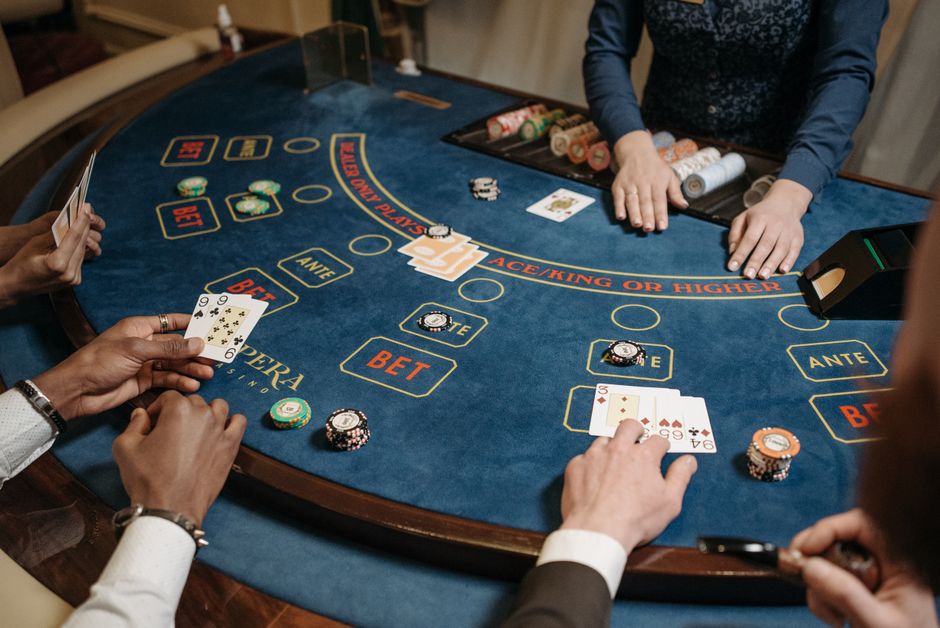
Then there's poker, which sits in its own bizarre category. It's a skill game where the house skims a rake instead of holding an edge on you directly. A solid player can realistically achieve a positive expected value over time. A weak player can lose at rates that make roulette look forgiving. Unlike slots, your edge in poker is variable — it depends on who's at your table, not on a paytable. That distinction is enormous, and it's why professional players tend to congregate around poker, blackjack, and sports betting rather than slots.
The Sunk-Cost Trap Seducing Every Slot Player
Here's where behavior beats mathematics. Players routinely chase losses because their brain tells them the machine is "due." It isn't. Slots use random number generators that have no memory. Your last thousand spins, good or bad, have zero influence on the next one. The wheel has no history.
The sunk-cost fallacy is the single most expensive habit in the iGaming ecosystem, and it doesn't discriminate. High rollers fall for it. $20 depositors fall for it. The fix is simple in principle, brutal in practice: decide your loss limit before you sit down, and treat hitting it as the end of the session — not the moment to top up.
Four Practical Rules That Actually Protect a Bankroll
- Set a hard stop-loss in advance. Not mental. Actual numbers. Write them down.
- Match volatility to bankroll. Never play high-volatility slots with less than 100x your average bet in reserve.
- Track every session. Spreadsheets don't lie. Memory does — spectacularly.
- Take breaks every 45 minutes. Fatigue makes you bet bigger and think smaller.
These aren't exciting tips. They're the difference between someone who still has a gambling budget next month and someone who doesn't. Boring works, which is precisely why so few people do it.
Where Promotions and Bonuses Fit In
Bonuses change the math, but not always in your favor. A 100% match bonus with a 40x wagering requirement on slots means you'd need to wager $40 for every $1 of bonus before withdrawing anything. If the contributing slot's RTP is 96%, the house edge eats through that bonus long before you clear the terms — statistically speaking, most bonus money is designed never to be withdrawn.
That said, some offers are genuinely valuable. Reload bonuses attached to low-wagering poker rooms, cashback deals that return a flat percentage of losses, and free spins with no wagering requirement are the ones worth grabbing. Always read the fine print specifically for wagering requirements, game contribution percentages, and time limits. A bonus you can't realistically clear is just decoration.
Final Thought: Play the Long Game, or Don't Play
None of this is meant to talk you out of slots, poker, or a Saturday afternoon at the felt. iGaming is entertainment first, and the math is only there so you don't get blindsided by it. The players who last — the ones who still have a bankroll five years in — aren't lucky. They're patient, they understand variance, they know that RTP is a horizon and not a handshake, and they treat the house edge as the cost of a ticket rather than an enemy to defeat. Internalize that and you'll stop chasing ghosts and start playing on your own terms.